
Providing Specialist Soil Diagnostics for Dallas, Collin, Tarrant, & Denton Counties
Testing soil in North Texas is an integral part of any commercial building project, landscape consulting service, or reputable lawn fertilizer service. However, in the professional I.T. world, there is a saying: "Garbage in, garbage out."
Whether you are performing residential soil testing or considering a DIY soil test kit from Home Depot, the analysis is only as accurate as the quality of the soil cores pulled. At DFW Turfgrass Science, we don't just claim expertise—our director holds a Degree in Turfgrass Science & Golf Course Management. We provide the high-level data collection and scientific interpretation that $20 off-the-shelf kits simply cannot match.
Professional Soil Testing vs. DIY Home Depot Kits
Homeowners and DFW businesses typically hire a professional soil testing service for three reasons: Time, Tools, and Expertise.
The Equipment Gap
A professional service uses sanitized, stainless-steel core tools to pull uniform samples at the correct depth. The "50-cent spade" included in most DIY kits cannot reach the 6-12 inch depth required for accurate root-zone analysis. In the tight black clay of North Texas, a proper coring tool is a requirement, not an option.
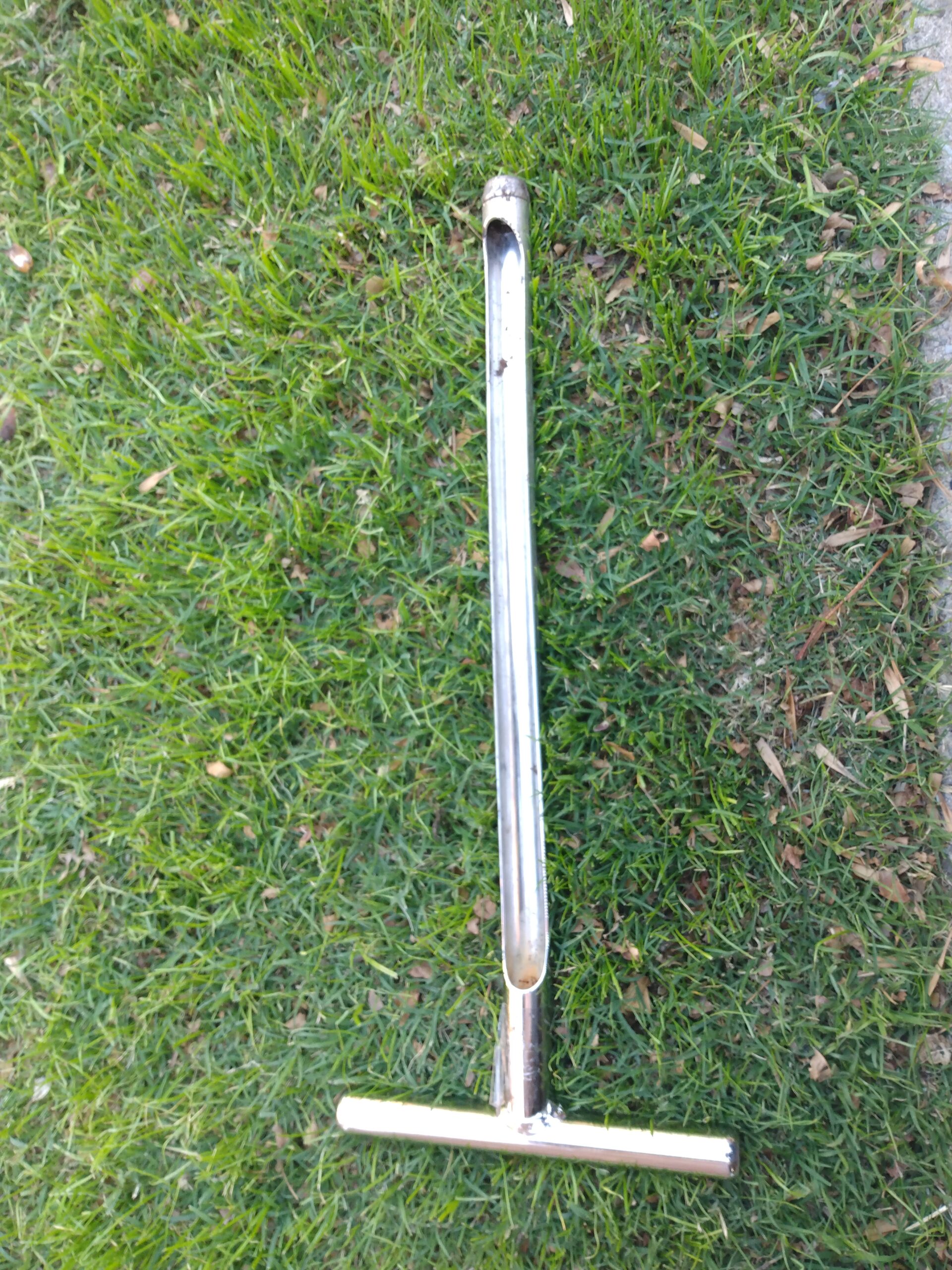
Our Professional Grade Soil Probe
The Data Gap: Why "A Little Dirt" Isn't Enough
If your lawn is 3,000 sq. ft. and your roots grow to 12+ inches, you have roughly 222,000 pounds of topsoil in your yard. Sending a random "pint of dirt" to a lab without a systematic sampling method provides a data sample of less than 1/100th of 1%. Unless you follow professional coring procedures, you are wasting money; people lie about data, but data does not lie.
Why Routine Soil Analysis is Important for Central & North Texas Lawns
If you have adequate photosynthesis and water, soil testing is the final pillar for maintaining healthy Bermuda, St. Augustine, and Zoysia grass in the DFW metroplex.
- Identifying Nutrient Deficiencies: We identify exact levels of Nitrogen, Phosphorus, and Potassium to stop the spread of fungal diseases.
- Managing Texas pH Levels: North Texas black clay averages 7.5 to 8.1 pH. This high alkalinity causes "nutrient lock-up," making your fertilizer ineffective regardless of how much you apply.
- Preventing Over-Fertilization: Excess fertilizer weakens grass and encourages disease. We provide a scientific "prescription" based on your specific soil profile.
- Improving Soil Health: We analyze texture and organic matter to address the root causes of drainage and compaction issues.
How to Test Soil Nutrients, PH, and Acidity (Professional Method)
We have put together a guide to show you the level of precision required for accurate nutrient testing of nitrogen, phosphorous, potassium, iron, manganese, sodium, calcium, PH and more:
For those looking for "where to take soil samples for testing" in Collin, Denton, or Dallas County, we recommend university-affiliated laboratories such as Texas A&M, Kansas State, or Oklahoma State. Our professional process follows these strict scientific steps:
-
- Sanitized Sampling: Using stainless steel probes to pull 8-20 cores at 6-12" depth.
- Debris Removal: Discarding top chaff and grass to ensure pure soil analysis.
- Homogenization: Mixing cores in a sanitized environment for a true "representative sample."
- Lab Submission: Sending samples with detailed histories of your recent treatments.
Service Areas & Consulting Scope
Serving: Dallas, Ft. Worth, Plano, Frisco, McKinney, Allen, Prosper, Southlake, Flower Mound, Highland Park, Carrollton, Richardson and other areas of Central and North Texas.
Basic DIY NPK testing is cheap ($20), yet hundreds of homeowners contact us after those tests fail to improve their lawn. Why? Because soil nutrients are often the last problem in a group of four:
- Lack of Photosynthesis (Shade Requirements)
- Active Fungal Diseases
- Irrigation Design Flaws and Coverage Issues
- Soil Nutrient Deficiencies and Drainage Issues
A standalone lab test cannot diagnose a fungal disease or a broken sprinkler head. For a full diagnostic evaluation that covers all four pillars of turf health, visit our Specialist Lawn Consulting Page.
2024 - 2026 Soil Testing Sample Photos from North Texas
Here are just a few out of hundreds of professional soil and lawn disease consultations we have performed in North Texas.
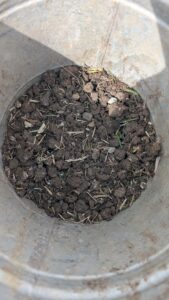
Black & Brown Clay w/ a little Gravel Soil Sample in old East Dallas, TX & Arboretum Area
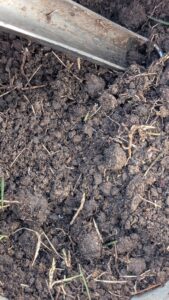
Brown Clay w/ Loam & a Little Sand Soil Sample in far South Arlington, TX - PH = 7.1

Blackland Clay Soil Sample from University Park, TX, Turtle Creek
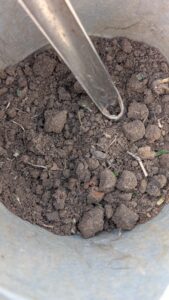
Half Sandy Loam & Brown Clay near Combine, TX in Kaufman County - PH 7.6
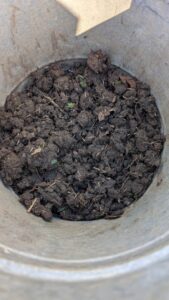
Black Clay and Minuscule Loam Soil Sample in Central Frisco, TX - PH 7.2
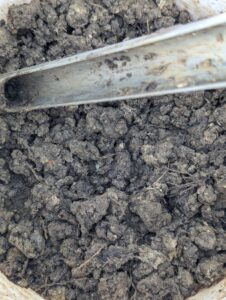
Black Clay, minuscule Gravel & Sandy Loam Soil Sample from South Mckinney, TX, Craig Ranch - PH 8.2

Loam & Sand w/ little Brown Clay & Gravel Soil Sample near Downtown Ft. Worth, TX - PH 7.5
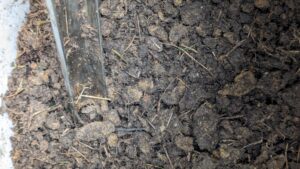
Sandy Loam w/ little Black Clay & Gravel Soil Sample in Flowermound, TX - PH 7.0
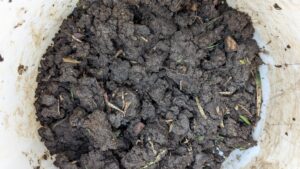
Gumbo Black Clay Soil Sample from Northwest Dallas, TX - PH 7.7
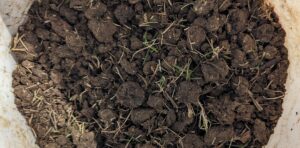
Black Clay & Caliche Soil Sample from North Plano, TX. PH 7.9
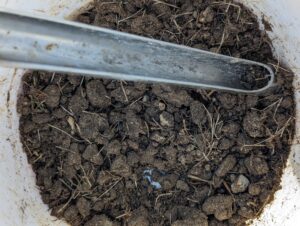
Black & Brown Clay w/ very little Loam Soil Sample from West Frisco, TX - PH 8.0
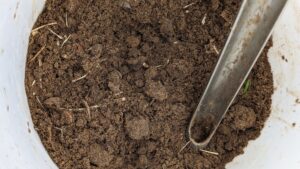
Very Sandy Loam Soil Sample (great soil) from Colleyville, TX. PH 7.5
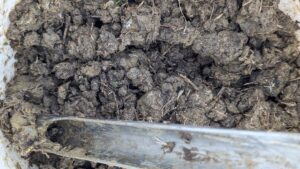
Black Prairieland Clay Soil Sample from Castle Hills in North Carrollton TX
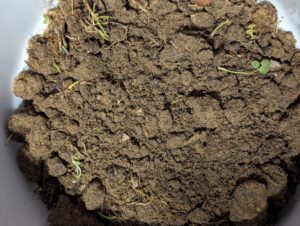
Brown Clay & Loam Soil Sample from far North Fort Worth, TX, Eagle Mountain Lake. PH 7.8.
Consultations by Appointment Only.
To book a professional soil analysis and lawn diagnostic, please use our contact form on the Contact Us page.